
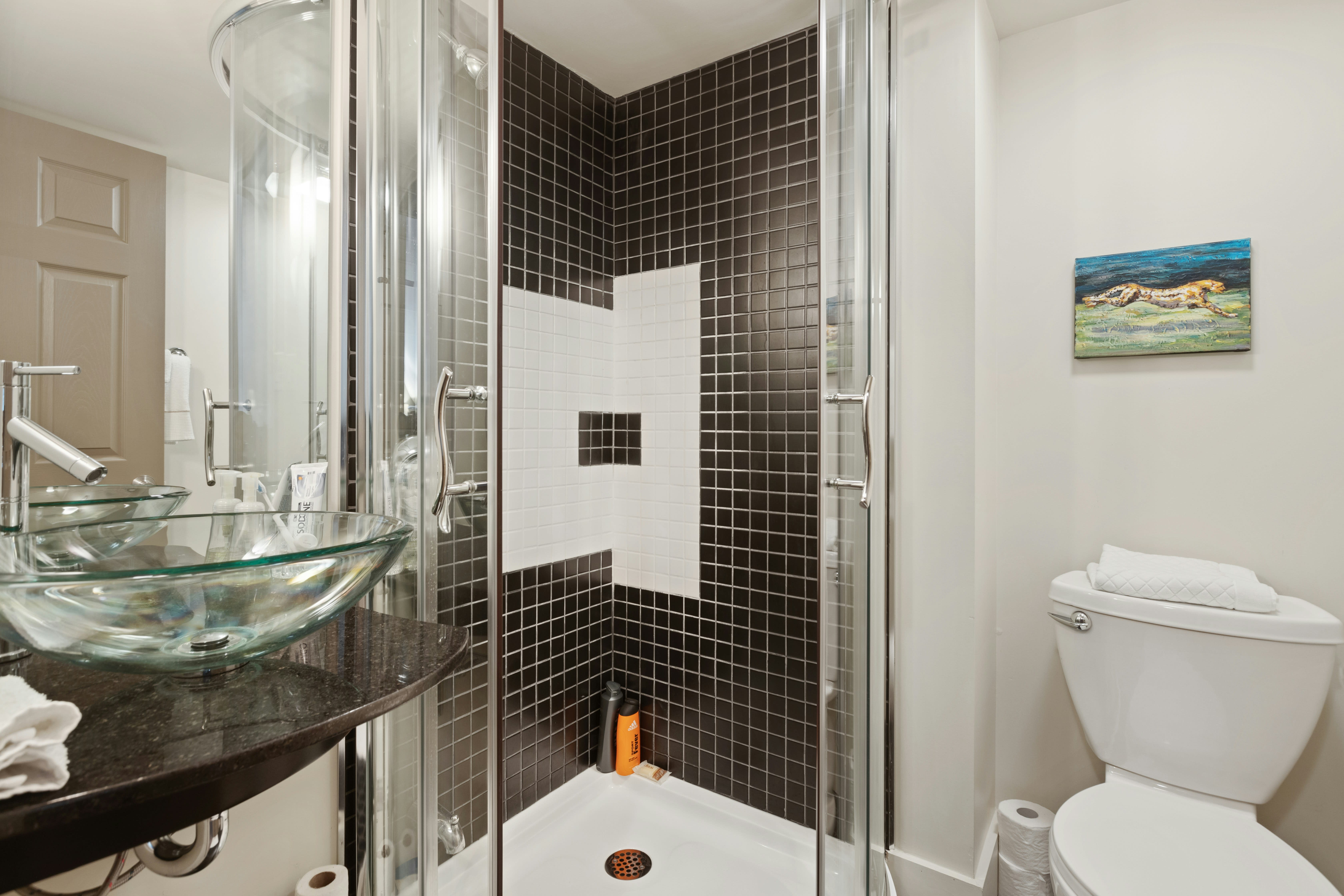
A tub-to-shower conversion enhances bathroom aesthetics, accessibility, and functionality by transforming an outdated bathtub into a sleek, modern walk-in shower. This remodel improves safety, maximizes space, and creates a spa-like atmosphere, making it ideal for families, seniors, or anyone seeking a stylish upgrade.
Table of Contents
ToggleWhy Convert Your Bathtub into a Walk-In Shower?
Converting your bathtub into a walk-in shower is one of the most impactful ways to breathe new life into your bathroom. A tub-to-shower conversion combines modern bathroom trends with practical benefits, offering a sleek, updated aesthetic while significantly enhancing usability for households of all ages. Whether your goal is to create a spa-like retreat, improve bathroom accessibility for seniors or children, or maximize functionality in a compact space, this remodel can completely transform both the look and feel of your bathroom.
A tub-to-shower conversion goes far beyond just a visual upgrade. This project offers tangible advantages that can improve your day-to-day routines and long-term home value:
- For homeowners seeking space-saving bathroom ideas, replacing a bulky tub with a walk-in shower creates an open, airy layout perfect for small bathrooms.
- Built-in storage solutions like recessed niches or shower benches keep toiletries organized, adding convenience without clutter.
- Features such as smart shower installations and slip-resistant flooring enhance safety and functionality, making your shower space both stylish and practical.
More importantly, this bathroom upgrade can significantly increase property value. A well-planned tub-to-shower conversion appeals to modern buyers, offering a clean, updated design that reflects current lifestyle preferences. For families, individuals with mobility challenges, or anyone aiming for a hassle-free bathroom experience, this transformation strikes the perfect balance between form and function.
That said, achieving a seamless, long-lasting result requires thoughtful planning and smart decision-making. Every aspect of the remodel—from assessing your bathroom layout to choosing low-maintenance materials and integrating accessibility features—plays a critical role in the success of your tub-to-shower conversion. By focusing on key considerations like efficient use of space, durable fixtures, and modern shower design ideas, you can ensure your new shower meets both your style preferences and daily needs.
In this guide, we’ll walk you through five essential tips for planning and executing a successful tub-to-shower conversion. Whether you’re tackling a DIY bathroom upgrade or working with professionals, these expert insights will help you make informed decisions. From optimizing small spaces to future-proofing your design with accessibility upgrades, you’ll gain practical knowledge to create a shower that’s not only visually stunning but also functional, safe, and built to last.
Your dream bathroom is closer than you think—because with the right approach, a tub-to-shower conversion can turn your vision into a reality while elevating your entire home. Let’s dive in!
1. Assess Your Bathroom Layout for a Successful Tub-to-Shower Conversion
Before diving into your tub-to-shower conversion, a thorough assessment of your bathroom layout is critical to ensure a smooth and successful remodel. The layout determines not only what’s achievable but also how efficiently your new shower will integrate with the existing space and plumbing. Skipping this essential step can lead to costly surprises, such as plumbing issues or design mismatches. By carefully evaluating your space, you’ll uncover opportunities to enhance functionality, embrace space-saving bathroom ideas, and ensure your new shower design aligns seamlessly with your home’s overall aesthetic.
Measure Your Space
Accurate measurements are the foundation of any successful tub-to-shower conversion. Start by measuring the dimensions of your existing bathtub area, as this will define the footprint for your new shower installation. Most standard bathtubs are approximately 60 inches in length and 30–32 inches in width, providing ample room for a comfortable walk-in shower. However, bathrooms come in all shapes and sizes, so it’s essential to account for unique or irregular dimensions that may require custom shower designs.
For Small Bathrooms: Maximize every inch by incorporating space-saving bathroom ideas, such as corner showers, compact built-in benches, or sliding glass doors. These options open up the space visually while maintaining functionality and style.
For Larger Bathrooms: A spacious layout allows you to explore luxury shower features like built-in seating, dual showerheads, and recessed storage niches. These additions can elevate your tub-to-shower conversion into a spa-like retreat that perfectly balances practicality and relaxation.
Pro Tip: When measuring, always consider door clearance, ceiling height, and surrounding fixtures to avoid conflicts and ensure a seamless flow within the room.
Evaluate Your Drain Location
The location of your existing drain is a key factor that impacts both the complexity and cost of your tub-to-shower conversion. In most cases, leaving the drain in its current position is the most cost-effective solution, as it eliminates the need for significant plumbing changes.
However, certain shower designs—like curbless walk-in showers—may require the drain to be repositioned. While this adds flexibility to your layout, it also involves modifying the subfloor and plumbing lines, which can increase project costs and timelines.
Key Steps to Evaluate Drain Location:
- Assess Current Plumbing: Work with a professional plumber to inspect your existing setup and identify any potential challenges.
- Factor in Costs: If repositioning the drain is necessary, include the additional expense in your remodel budget.
- Check Local Codes: Ensure all plumbing changes adhere to local building regulations to prevent costly issues down the line.
Tip for DIY Enthusiasts: If you’re planning a DIY tub-to-shower conversion, stick to designs that align with the existing plumbing to minimize complexity. For major adjustments, consult a professional to ensure safety and compliance.
Analyze Surrounding Fixtures and Flow
A successful tub-to-shower conversion requires careful consideration of how the new shower integrates with other bathroom elements, such as the toilet, vanity, and doorways. Overlooking this step can result in a space that feels cramped, awkward, or disjointed.
Ask Yourself:
- Will the New Shower Obstruct Key Fixtures? Ensure the placement of your shower does not impede movement or access to other areas of the bathroom.
- How Will It Visually Interact with Surrounding Features? For smaller bathrooms, frameless glass enclosures help maintain an open and airy feel, while a bulky shower frame might make the room look smaller.
- Does It Align with Modern Bathroom Trends? Your shower design should complement your home’s aesthetic for a cohesive, polished look.
Design Tip: In narrow bathrooms, opt for sliding glass doors or clear partitions to maintain seamless flow. For tight layouts, consider compact vanities or floating sinks to maximize space while enhancing functionality.
Optimize for Future Needs
A well-planned tub-to-shower conversion is not just about today’s convenience—it’s also about future-proofing your bathroom. If aging-in-place or accommodating household members with mobility challenges is part of your plan, now is the perfect time to integrate accessibility features.
Key Features to Consider:
- Curbless Shower Entry: Eliminates tripping hazards and improves accessibility for wheelchair users or those with mobility limitations.
- Grab Bars: Strategically placed grab bars provide safety and stability without compromising style. Choose finishes like matte black or brushed nickel for a modern look.
- Ample Maneuverability: Ensure enough open space for comfortable navigation, whether you’re designing for current needs or planning for the future.
Pro Tip: If you’re unsure about your bathroom layout’s potential, consult a professional designer or contractor. Experts can provide tailored recommendations for maximizing space, optimizing flow, and creating a modern, accessible design that enhances your home.
Final Thoughts
By carefully assessing your bathroom layout, you’ll set a solid foundation for a successful tub-to-shower conversion. From taking precise measurements to evaluating plumbing considerations and surrounding fixtures, this step ensures your remodel meets your current needs while preparing for future possibilities. Whether you’re working with a small, compact bathroom or planning an expansive upgrade, thoughtful planning will help you achieve a shower space that is functional, stylish, and built to last.
Ready to get started? Let’s move on to the next step: choosing the right shower design to bring your vision to life. For more information on Accessibility please visit U.S. Access Board.
2. Choose the Right Shower Design for Your Tub-to-Shower Conversion
The design of your new shower is the heart of your tub-to-shower conversion—it’s where functionality meets style. A well-planned shower design not only enhances the aesthetic appeal of your bathroom but also improves usability, making it a space that seamlessly fits your lifestyle. Whether you’re updating a compact bathroom or reimagining a spacious layout, thoughtful design choices will ensure your tub-to-shower conversion transforms your space into a modern, practical, and visually stunning retreat.
Let’s explore the most impactful shower design options to inspire your remodel:
Frameless Glass Enclosures: Modern, Open, and Elegant
Frameless glass enclosures are a top choice for homeowners seeking a sleek and open look for their tub-to-shower conversion. By eliminating bulky metal frames, frameless glass creates an airy, seamless aesthetic that visually expands your bathroom—perfect for smaller spaces.
Why Frameless Glass Works So Well:
- Opens Up the Space: Without visual barriers, frameless glass allows light to flow freely, making bathrooms feel larger and brighter.
- Showcases Design Elements: This minimalist style highlights the beauty of your shower tiles, hardware, and fixtures, turning them into statement pieces.
- Low Maintenance: Frameless enclosures are easier to clean because they lack hinges and crevices where grime and mold can accumulate.
For homeowners incorporating space-saving bathroom ideas, frameless glass paired with a walk-in shower is an unbeatable combination that balances elegance with practicality.
Design Tip: Add a splash of personality by combining frameless glass with bold tile accents, such as patterned porcelain or contrasting grout, and complement it with statement hardware like matte black or brushed gold finishes.
Walk-In Showers: Sleek, Accessible, and Timeless
A walk-in shower is the ultimate upgrade in any tub-to-shower conversion, offering a timeless blend of style and functionality. Walk-in showers provide easy accessibility, making them ideal for households with seniors, children, or anyone with mobility concerns.
Benefits of Walk-In Showers:
- Accessibility: Features like curbless entry points eliminate tripping hazards, ensuring safe and seamless entry for all users.
- Customizable Design: From built-in benches to rainfall showerheads, walk-in showers can be tailored to fit any space or preference.
- Fits All Bathroom Sizes: In compact bathrooms, clear glass partitions and minimal frames maximize visual openness. In larger spaces, walk-in showers offer the opportunity to add luxury features like body jets, dual showerheads, and recessed niches.
Pro Tip: Pair your walk-in shower with slip-resistant flooring to ensure safety without compromising style. Textured tiles or pebble flooring not only add grip but also introduce visual and tactile interest.
Built-In Storage Solutions: Organized and Streamlined
Storage plays a critical role in a successful tub-to-shower conversion. Without proper storage, even the most beautiful shower can quickly feel cluttered and impractical. Built-in solutions seamlessly blend function and style, helping you keep toiletries organized while maintaining a polished look.
Top Storage Features for Showers:
- Recessed Niches: Integrated directly into the shower wall, niches provide convenient storage without taking up space. Use decorative tiles or contrasting colors to turn these functional features into design highlights.
- Built-In Benches: A built-in bench adds comfort and usability, doubling as a storage surface for bath products or towels. This is especially valuable for walk-in showers or accessibility-focused designs.
- Floating Shelves: Minimalist floating shelves maintain a clean, open look while offering easy access to bath essentials.
Design Tip: When planning storage, ensure it’s positioned at a comfortable height for usability. Match tile or hardware finishes for a cohesive and visually appealing look.
Tile Accents and Finishes: Personalize Your Shower
Tile work is one of the most versatile and creative ways to personalize your tub-to-shower conversion. Whether you prefer bold, statement designs or subtle elegance, tiles allow you to infuse character and style into your shower space.
Ways to Use Tiles in Your Shower Design:
- Accent Walls: Highlight one shower wall with decorative tiles, such as geometric patterns, textured finishes, or bold colors, to create a focal point without overwhelming the space.
- Large-Format Tiles: For a sleek, seamless look, opt for large tiles that minimize grout lines. They are perfect for achieving a spa-like ambiance and are easier to clean.
- Natural Stone Finishes: Materials like marble, slate, or travertine add timeless elegance and a natural, organic feel to your bathroom. Pair them with modern glass enclosures for a stunning contrast.
- Contrasting Grout: Emphasize patterns and lines with bold grout colors. For example, white subway tiles with dark grout create a clean yet striking visual effect.
Pro Tip: Ensure tiles are installed with water-resistant sealants to prevent moisture damage and maintain their beauty for years to come.
Make It Your Own
Your tub-to-shower conversion is a chance to create a space that reflects your unique needs and personal style. Whether you’re drawn to sleek frameless glass for a minimalist look, practical built-in storage for organization, or eye-catching tile designs for added character, each design choice contributes to a shower that feels both luxurious and functional.
Key Questions to Guide Your Design:
- Do you need accessibility features like curbless entry points or grab bars?
- How much storage do you require for toiletries and bath products?
- Are you working with a compact layout or a spacious bathroom?
By combining modern shower features, thoughtful layouts, and timeless design elements, your tub-to-shower conversion will become the standout feature of your bathroom—enhancing both daily routines and long-term enjoyment.
Final Thoughts
Choosing the right shower design is a critical step in ensuring your tub-to-shower conversion meets both your functional needs and design goals. From frameless glass enclosures and walk-in showers to practical built-in storage and stylish tile finishes, each element works together to create a bathroom that is as beautiful as it is practical.
Looking for more inspiration? Explore our Shower Remodeling Guide for ideas that will bring your bathroom upgrade to life. With the right design, your new shower can transform your space into a haven of comfort, elegance, and modern functionality.
3. Select Durable and Low-Maintenance Materials for Your Tub-to-Shower Conversion
Choosing the right materials for your tub-to-shower conversion is a critical step in ensuring long-term success. The materials you select will determine the durability, ease of maintenance, and overall aesthetic of your new shower space. High-quality, low-maintenance options ensure your shower not only looks modern and stylish but also withstands daily use with minimal upkeep.
Whether your priorities include safety, convenience, or achieving a luxury look, the right materials will make your tub-to-shower conversion a functional and lasting investment. Let’s explore the top material choices to meet your needs:
Acrylic Panels: Budget-Friendly, Durable, and Easy to Maintain
For homeowners seeking an affordable and low-maintenance solution, acrylic panels are a standout choice for tub-to-shower conversions. Lightweight and easy to install, acrylic panels deliver a clean, seamless appearance that works perfectly in modern bathrooms.
Benefits of Acrylic Panels:
- Mold and Mildew Resistant: The non-porous surface prevents moisture buildup, mold, and mildew—perfect for busy households where cleanliness is a priority.
- Effortless Cleaning: With no grout lines or textured crevices, acrylic panels can be quickly wiped clean using a mild cleaner and soft cloth, saving both time and effort.
- Cost-Effective: Acrylic is a budget-friendly alternative to natural stone or custom tile, making it ideal for cost-conscious bathroom remodeling projects.
- Versatility: Modern acrylic panels now come in a variety of finishes, including faux tile designs, textured surfaces, and contemporary colors, allowing you to achieve a personalized look without the hefty price tag.
Pro Tip: Acrylic panels are a perfect solution for a DIY-friendly tub-to-shower conversion, offering simplicity without compromising on style or longevity.
Ceramic and Porcelain Tiles: Luxurious, Customizable, and Long-Lasting
Ceramic and porcelain tiles remain a classic choice for tub-to-shower conversions, offering unparalleled design flexibility and lasting durability. These materials are especially popular among homeowners looking for customizable shower spaces that align with modern bathroom trends.
Why Ceramic and Porcelain Are Ideal:
- Timeless Appeal: Whether you prefer classic white subway tiles, geometric patterns, or bold mosaics, tiles allow you to personalize your shower design to reflect your unique style.
- Durability: Porcelain tiles, in particular, are dense, water-resistant, and built to last, making them perfect for high-traffic bathrooms.
- Luxury Aesthetic: Tiles instantly elevate the look of your bathroom, adding sophistication and elegance to your tub-to-shower conversion.
- Repairable: Individual tiles can be replaced if damaged, offering long-term practicality compared to solid panels.
Maintenance Considerations:
- Use slip-resistant tiles for the shower floor to enhance safety without compromising on style.
- Seal grout lines properly to prevent moisture seepage and mold growth. For added protection, opt for epoxy grout, which is resistant to staining and water damage.
- Clean tiles regularly with non-abrasive products to maintain their luster and longevity.
Pro Tip: Large-format tiles minimize grout lines, reducing cleaning time and creating a sleek, seamless appearance—perfect for space-saving bathroom ideas in smaller bathrooms.
Slip-Resistant Flooring: Safety and Style Combined
A well-executed tub-to-shower conversion isn’t just about aesthetics; safety is equally important. Choosing slip-resistant flooring ensures a secure shower environment, particularly in multi-generational households or for aging-in-place designs.
Top Slip-Resistant Flooring Options:
- Textured Porcelain or Ceramic Tiles: These tiles offer excellent traction while maintaining a refined, stylish look. Be sure to choose options specifically rated for wet areas.
- Pebble Flooring: Natural stone pebbles not only provide slip resistance but also bring a spa-like aesthetic to your shower space, especially when paired with a curbless entry.
- Textured Vinyl Flooring: For a budget-friendly alternative, textured vinyl provides durability, water resistance, and safety without sacrificing style.
Why It Matters: Slip-resistant flooring adds peace of mind, ensuring your new shower is both beautiful and safe for everyone—from young children to seniors.
Pro Tip: Pair slip-resistant floors with sleek frameless glass enclosures for a tub-to-shower conversion that combines safety, modern design, and visual openness.
Frameless Glass Enclosures: Elegant and Low-Maintenance
Frameless glass enclosures are the perfect complement to any tub-to-shower conversion, offering a modern and open aesthetic that instantly elevates your bathroom’s style. Beyond their visual appeal, these enclosures are incredibly functional and easy to maintain.
Advantages of Frameless Glass Enclosures:
- Visual Expansion: Frameless glass eliminates visual barriers, making smaller bathrooms appear larger and brighter.
- Minimal Maintenance: With no frames or crevices to trap grime and soap scum, frameless glass is easy to clean and maintain.
- Showcases Design Elements: Highlight decorative tile work, accent walls, or luxurious fixtures, turning your shower into the centerpiece of your bathroom.
Pro Tip: Consider frameless glass treated with a water-repellent coating to minimize stains and reduce cleaning frequency, keeping your shower pristine for years to come.
Final Thoughts: Build a Shower That Lasts
The success of your tub-to-shower conversion depends on choosing materials that strike the perfect balance between beauty, functionality, and longevity. Acrylic panels are ideal for low-maintenance and budget-friendly solutions, while ceramic and porcelain tiles deliver luxury and timeless appeal. Slip-resistant flooring ensures safety for all users, and frameless glass enclosures provide a modern, sophisticated touch.
By investing in durable, high-quality materials, you’ll create a shower that transforms your bathroom into a space that is not only stylish but also practical and built to stand the test of time.
Looking for more ideas? Visit our Remodeling Options page for inspiration on creating a beautiful, functional tub-to-shower conversion tailored to your needs!
4. Incorporate Accessibility Features into Your Tub-to-Shower Conversion
A tub-to-shower conversion is more than just a visual update—it’s a golden opportunity to prioritize safety, comfort, and usability for everyone in your home. Whether you’re designing for seniors, individuals with mobility challenges, or young children, thoughtful accessibility features can make your bathroom both functional and inclusive. These upgrades don’t just add convenience; they future-proof your space while enhancing its overall value.
From grab bars to slip-resistant flooring, integrating accessibility during your tub-to-shower conversion ensures that your bathroom is practical, stylish, and adaptable for all household members. Here’s how you can combine modern design with essential safety features:
Grab Bars: Safety That Doesn’t Sacrifice Style
Grab bars are a must-have feature in any accessible bathroom. In a tub-to-shower conversion, they provide stability, balance, and confidence, helping users navigate wet, slippery surfaces safely. Today’s grab bars are far from utilitarian; modern designs seamlessly integrate into your bathroom aesthetics with elegant finishes and sleek profiles.
Benefits of Grab Bars:
- Enhanced Stability: Install grab bars near shower entrances, within the shower enclosure, and by built-in seating to reduce the risk of slips and falls for seniors and individuals with mobility concerns.
- Versatile Use: Beyond safety, grab bars can double as towel racks or assist with balance during daily tasks like shaving or bathing.
- Stylish Designs: Available in brushed nickel, matte black, chrome, and other finishes, grab bars can match modern bathroom fixtures and enhance your shower’s style.
Pro Tip: Position grab bars at varying heights to accommodate all users and ensure they’re securely anchored to wall studs for long-term durability and safety.
Curbless Showers: A Barrier-Free Solution for All Ages
Curbless showers, also known as barrier-free showers, are a game-changing addition to any tub-to-shower conversion. By eliminating the raised threshold typically seen in older bathtubs and showers, curbless designs provide seamless entry, combining safety and contemporary elegance.
Why Choose a Curbless Shower?
- Minimized Tripping Hazards: The absence of a step creates an accessible entry point, ideal for wheelchair users, seniors, or anyone with mobility limitations.
- Visually Spacious: Curbless showers create a sleek, open look that visually expands the bathroom—perfect for small or compact spaces.
- Effortless Maintenance: Water flows directly to a linear or center drain, minimizing pooling and simplifying cleaning.
- Modern Aesthetic: Barrier-free showers align perfectly with minimalist and modern bathroom trends, offering a spa-like feel in your home.
Design Tip: Pair a curbless shower with slip-resistant flooring and frameless glass enclosures to enhance safety while maintaining an airy, luxurious appearance.
Adjustable and Handheld Showerheads: Versatile and User-Friendly
Incorporating adjustable or handheld showerheads in your tub-to-shower conversion adds unparalleled flexibility and comfort. These versatile fixtures allow users to customize their shower experience, catering to people of all ages and abilities.
Key Benefits of Adjustable Showerheads:
- Ease of Use: Handheld showerheads provide precise control over water flow, making bathing easier for seniors, children, and even pets.
- Height Flexibility: Adjustable showerheads on a sliding bar allow each user to set the perfect height, ensuring comfort for everyone.
- Simplified Cleaning: Handheld models make it easy to clean hard-to-reach areas like corners, walls, and niches.
- Luxury Options: Modern handheld showerheads offer multiple spray settings (e.g., rainfall, massage, and mist) to create a relaxing, spa-like experience.
Pro Tip: Install a sliding shower bar to allow effortless height adjustments. Opt for water-efficient showerheads to combine accessibility with sustainability.
Built-In Shower Seating: Comfort and Functionality Combined
Built-in seating is an invaluable feature for any tub-to-shower conversion, offering comfort, convenience, and safety for users who need a place to rest while bathing. Beyond accessibility, shower benches or fold-down seats can also serve as practical storage solutions.
Seating Options to Consider:
- Fixed Shower Benches: Custom-built benches integrated into the shower design provide permanent seating and can be constructed from materials like tile, stone, or acrylic to match the overall aesthetic.
- Fold-Down Seats: Perfect for smaller showers, fold-down seats save space when not in use while offering sturdy support when needed.
- Slip-Resistant Comfort: Choose materials with smooth edges and slip-resistant finishes for a safe, comfortable experience.
Design Tip: Position built-in seating near recessed shelves or niches to keep toiletries and shower essentials within easy reach, reducing clutter and enhancing functionality.
Slip-Resistant Flooring: The Foundation of a Safe Shower
A successful tub-to-shower conversion prioritizes safety from the ground up. Slip-resistant flooring options provide stability and traction, ensuring the shower remains safe and accessible for all users—especially in wet conditions.
Top Slip-Resistant Flooring Choices:
- Textured Ceramic or Porcelain Tiles: Durable, stylish, and easy to maintain, textured tiles provide excellent traction and are ideal for modern bathrooms.
- Pebble Flooring: Natural stone pebbles add a spa-like aesthetic while offering superior slip resistance underfoot. Pair them with a curbless shower for a seamless, barrier-free look.
- Textured Vinyl Flooring: For a budget-friendly solution, vinyl flooring combines water resistance, durability, and safety, making it ideal for multi-generational households.
Pro Tip: Choose flooring materials specifically rated for wet areas and pair them with frameless glass enclosures to maintain a cohesive, modern look.
Final Thoughts: Accessible, Safe, and Stylish Tub-to-Shower Conversions
Incorporating accessibility features during your tub-to-shower conversion ensures your bathroom remains functional, inclusive, and stylish for years to come. Thoughtful upgrades like grab bars, curbless shower entries, adjustable showerheads, and built-in seating cater to every user while enhancing safety and comfort.
By combining these features with modern design elements—like frameless glass enclosures and slip-resistant flooring—you’ll create a shower space that meets your family’s needs today while future-proofing your bathroom for tomorrow.
Ready to transform your bathroom into a beautiful and accessible retreat? Explore our Remodeling Options page for expert guidance, tips, and inspiration to make your tub-to-shower conversion both stylish and practical!
5. Plan for Proper Ventilation and Lighting in Your Tub-to-Shower Conversion
While design elements like tiles and fixtures often take center stage in a bathroom remodel, proper ventilation and lighting are the unsung heroes of a successful tub-to-shower conversion. Without these crucial components, even the most beautiful bathroom can face long-term issues such as mold growth, mildew, poor air quality, and insufficient lighting. By addressing ventilation and lighting early, you ensure your new shower is not only functional and stylish but also a durable, healthy, and enjoyable space for years to come.
Let’s explore how to incorporate smart ventilation and lighting solutions into your tub-to-shower conversion for optimal results.
Ventilation: Combat Moisture and Protect Your Shower Space
Moisture is one of the biggest challenges in any bathroom, particularly after a tub-to-shower conversion, where increased shower use can lead to excessive humidity. If left unchecked, moisture can cause mold, mildew, and structural damage, compromising the materials and finishes in your bathroom. Proper ventilation keeps your bathroom fresh, dry, and healthy.
Why Proper Ventilation Matters in a Tub-to-Shower Conversion:
- Mold and Mildew Prevention: A high-quality ventilation system helps control humidity, preventing the growth of mold and mildew, which can damage grout, tiles, and walls.
- Structural Protection: Persistent moisture can deteriorate drywall, wood trim, and paint. Effective ventilation safeguards these surfaces, extending their lifespan.
- Improved Air Quality: Removing excess moisture reduces musty odors and improves air circulation, promoting a fresher, cleaner environment.
Solutions for Effective Ventilation:
Exhaust Fans
Install a high-powered exhaust fan designed for the size of your bathroom. Look for models with an appropriate CFM rating (Cubic Feet per Minute) to ensure adequate moisture removal. For larger bathrooms or those without windows, a higher CFM rating is essential to combat humidity effectively.Humidity-Sensing Fans
Modern humidity-sensing fans are a smart addition to your tub-to-shower conversion. These systems automatically turn on when moisture levels rise and shut off once the air is dry. This hands-free solution saves energy and eliminates the need for constant manual operation.Ventilation with Built-In Lighting
Many advanced exhaust fans now include LED lighting, combining two essential features—ventilation and illumination—into a single unit. These multi-functional fans are perfect for smaller bathrooms or where space optimization is a priority.
Pro Tip: Opt for energy-efficient, ultra-quiet exhaust fans with features like timers or night lights for added convenience and reduced energy costs.
Lighting: Enhance Ambiance, Safety, and Functionality
Proper lighting transforms your tub-to-shower conversion into a welcoming, functional, and visually stunning space. A well-planned lighting strategy balances safety with aesthetics, ensuring that every corner of your new shower is bright, clear, and comfortable to use.
Types of Lighting to Incorporate in Your Shower Design
-
Task Lighting
Task lighting is essential for specific activities like grooming, shaving, or applying makeup. Focus on areas such as mirrors, vanities, and shower enclosures to provide bright, targeted illumination.- Best Option: Install wall-mounted LED sconces or adjustable fixtures near mirrors to eliminate shadows and improve visibility. LED bulbs that mimic natural daylight offer excellent clarity and color accuracy.
-
Ambient Lighting
Ambient lighting sets the overall mood and tone of your bathroom. For a sleek, spa-like environment, recessed LED ceiling lights offer even illumination without overpowering the space.Pro Tip: Add dimmer switches to ambient lighting. This allows you to adjust brightness levels—creating a soft, relaxing atmosphere for evening showers or a bright, energizing space for morning routines.
-
Accent Lighting
Highlight the design details of your tub-to-shower conversion with accent lighting. Use subtle light fixtures to draw attention to beautiful tiles, built-in niches, or statement hardware.- Ideas to Try: Incorporate LED strip lights under shower benches, inside recessed shelves, or behind mirrors. These accents add a sophisticated touch without overwhelming the space.
-
Natural Light
Incorporating natural light is one of the most impactful ways to brighten your shower area and create a fresh, airy environment. Natural light reduces the need for artificial lighting during the day and enhances the overall ambiance of your bathroom.- Skylights: Perfect for bathrooms without exterior walls, skylights flood the room with sunlight while maintaining privacy.
- Frosted Glass Windows: Add frosted windows to allow natural light in while ensuring privacy—ideal for bathrooms in busy neighborhoods.
Design Tip: Use large mirrors strategically to reflect both natural and artificial light throughout the bathroom. This can make a small bathroom feel more open and spacious.
Combining Ventilation and Lighting: Smart Solutions for Modern Bathrooms
The most effective tub-to-shower conversions integrate ventilation and lighting seamlessly into the overall design. By combining these elements thoughtfully, you can create a bathroom that feels as good as it looks.
- Ventilation with Integrated Lights: Modern exhaust fans with built-in LED lighting save space and reduce installation complexity while providing dual functionality.
- Humidity-Sensing Fans with LED Options: These fans automatically activate when moisture is detected and include energy-efficient lighting for added convenience.
- Layered Lighting Strategies: Combine ambient, task, and accent lighting for a balanced, well-lit environment that enhances both functionality and aesthetics.
Bonus Tip: Choose energy-efficient LED lighting for your bathroom remodel. LEDs consume less energy, last longer than traditional bulbs, and require minimal maintenance—making them ideal for your tub-to-shower conversion.
Final Thoughts: The Role of Ventilation and Lighting in a Tub-to-Shower Conversion
When planning your tub-to-shower conversion, proper ventilation and lighting are essential for long-term success. A high-quality ventilation system protects against moisture-related issues, while a layered lighting strategy enhances safety, functionality, and ambiance.
By incorporating energy-efficient exhaust fans, task-focused lighting, and natural light solutions, you’ll create a bathroom that feels fresh, bright, and welcoming every day.
Whether you’re remodeling a small bathroom or reimagining a larger space, addressing ventilation and lighting early in the project ensures your tub-to-shower conversion is not only beautiful but also practical, durable, and enjoyable for years to come.
Need more inspiration? Explore our Remodeling Options page for expert tips on creating a stunning, functional bathroom tailored to your needs! For more information on proper bathroom ventilation please visit Bob Villa, The Do’s and Don’ts of Bathroom Ventilation. For more lighting ideas visit Architectural Digest.
Final Thoughts: Why a Tub-to-Shower Conversion is a Smart Investment
A tub-to-shower conversion is much more than a cosmetic upgrade—it’s a chance to completely reimagine your bathroom as a modern, functional, and safe space that caters to your unique needs and lifestyle. Whether you’re embracing space-saving bathroom ideas, adding accessibility features like grab bars and curbless showers, or upgrading to the latest modern bathroom trends, this remodel is a versatile and rewarding home improvement project. Thoughtfully planned, a tub-to-shower conversion combines style, safety, and usability, making your bathroom a space you’ll truly love.
Why a Tub-to-Shower Conversion is a Smart Choice
A well-executed tub-to-shower conversion delivers a perfect balance of functionality, aesthetics, and value. It’s a popular choice for homeowners looking to:
- Enhance Accessibility: Features like curbless walk-in showers, grab bars, and handheld showerheads improve safety and ease of use for individuals of all ages and abilities, making it ideal for families or aging-in-place solutions.
- Maximize Small Spaces: Swapping out a bulky tub for a streamlined shower creates an open, spacious feel—perfect for smaller bathrooms or homes where every inch counts.
- Stay on Trend: Modern bathroom trends, like frameless glass enclosures and stylish tile designs, bring a fresh, luxurious aesthetic to your home.
- Prioritize Durability and Low Maintenance: Durable materials like ceramic tiles, acrylic panels, and slip-resistant flooring ensure your new shower withstands daily use with minimal upkeep.
- Add Value to Your Home: A tub-to-shower conversion increases resale value, appealing to potential buyers who prefer modern, functional bathrooms.
By focusing on both practical upgrades and stylish design, this conversion elevates your daily routines while delivering long-term benefits.
Design with Purpose: Key Elements to Prioritize
When planning your tub-to-shower conversion, every detail matters. The success of your remodel lies in balancing design, functionality, and long-term practicality. Consider these essential features:
-
Accessibility and Safety
- Integrate grab bars, curbless showers, and slip-resistant flooring to ensure a safe and accessible space for everyone. These features not only improve safety today but also future-proof your bathroom for evolving needs.
- Install handheld or adjustable showerheads to accommodate users of different heights and abilities, making your shower versatile and user-friendly.
-
Stylish Storage Solutions
- Built-in recessed niches and shower benches offer practical storage without cluttering your space. These features blend seamlessly into the design, keeping bath essentials within easy reach.
- Consider floating shelves for a sleek, minimalist look in compact bathrooms.
-
Durability and Maintenance
- Choose high-quality materials like ceramic or porcelain tiles, acrylic panels, and frameless glass enclosures that are both durable and easy to maintain.
- Invest in slip-resistant flooring to ensure safety while minimizing the risk of accidents.
-
Ambiance and Comfort
- Proper lighting and ventilation are essential for creating a fresh, inviting atmosphere. Layered lighting—combining ambient, task, and accent lights—can enhance functionality and add a spa-like vibe to your bathroom.
- High-powered exhaust fans help manage moisture, preventing mold and mildew buildup for a cleaner, healthier environment.
Partner with Experts for a Flawless Tub-to-Shower Conversion
A successful tub-to-shower conversion requires careful planning and expert execution. While DIY projects can be tempting, partnering with experienced professionals ensures your remodel meets both your vision and practical needs.
At Texas Remodelers, we take pride in helping homeowners bring their bathroom transformation ideas to life. Whether you’re tackling a small upgrade or a complete remodel, our team provides:
- Customized Design Solutions: We work closely with you to create a shower that fits your space, budget, and style preferences.
- High-Quality Materials: We prioritize durable, elegant, and low-maintenance materials to ensure your new shower stands the test of time.
- Seamless Project Execution: From plumbing adjustments to final finishes, we handle every detail to deliver a flawless result, on time and within budget.
Pro Tip: A well-designed tub-to-shower conversion is an investment in both your home and your quality of life. Trust experts who understand the balance of aesthetics, safety, and functionality.
Your Dream Bathroom Awaits
A tub-to-shower conversion is more than a simple upgrade—it’s a transformative investment that modernizes your bathroom, enhances safety and usability, and improves your home’s overall appeal. By incorporating smart storage solutions, durable materials, and thoughtful design elements, you can create a functional, stylish, and long-lasting space tailored to your needs.
Ready to start your bathroom transformation? Let us help you design and build the shower you’ve always dreamed of—beautiful, practical, and uniquely yours.
Ready to Elevate Your Bathroom Experience?
Transform your space with the latest in bathtub design and innovation. Whether you’re envisioning a spa-like sanctuary, a sleek modern upgrade, or a timeless classic, our expert team is here to bring your vision to life. From luxurious freestanding tubs to smart bathtubs and compact soaking solutions, we tailor every remodel to fit your style, needs, and budget.
✨ Let’s Create the Bathroom You Deserve.
Contact us today to schedule your consultation. Our design experts will guide you through every step – from concept to completion – ensuring your new bathroom reflects elegance, comfort, and functionality.
📞 Call Now or Book Online to start your journey toward the bathroom of your dreams!