Choosing the right bathtub enhances comfort, maximizes space, and transforms your bathroom into a personal retreat. By considering layout, materials, and functionality, you can select a tub that balances luxury and practicality, adding long-term value to your home.
Table of Contents
ToggleHow to Choose the Right Bathtub for Your Space
A bathtub is more than a functional necessity—it’s a defining element in your bathroom that blends luxury, comfort, and practicality. Picture this: a sleek, freestanding tub that becomes the focal point of your space, or a cozy alcove tub perfectly tailored to your family’s needs. The right bathtub not only enhances the aesthetic of your bathroom but also elevates your daily routine, turning ordinary moments into opportunities for relaxation and rejuvenation. Whether it’s the quiet solace of a long soak to melt away stress or the playful splash time with your children, your bathtub should be a seamless extension of your lifestyle, preferences, and the unique characteristics of your space.
Selecting the perfect bathtub, however, is no small task. The market is brimming with options, from modern designs to timeless classics, each offering a distinct combination of style, functionality, and features. To choose the right bathtub, it’s not just about picking what looks good; it’s about finding a tub that complements your daily habits, fits harmoniously into your bathroom’s layout, and aligns with your budget and maintenance preferences. Do you prioritize sleek, minimalist aesthetics, or is a therapeutic soak with hydrotherapy jets your idea of the ultimate indulgence?
In this guide, we’ll help you choose the right bathtub with confidence and clarity. Together, we’ll explore the critical factors to consider—from sizing and style to materials and special features—empowering you to make an informed decision. Whether you’re embarking on a full-scale renovation or simply upgrading your existing bathtub, this article is your roadmap to creating a space that perfectly balances luxury, functionality, and personal style. When you choose the right bathtub, you transform your bathroom into a sanctuary. Your dream bathtub is out there—let’s find it.
1.When Choosing the Right Bathtub: Assess Your Space and Layout
Selecting the right bathtub style is about more than just aesthetics—it’s about balancing design, functionality, and how the tub will enhance your daily routine. To choose the right bathtub, your selection should reflect your bathroom’s overall vibe while accommodating your practical needs. Let’s dive deeper into the most popular bathtub styles, their unique features, and how to determine which one best fits your space and lifestyle.
Alcove Bathtubs: Practical and Space-Saving
Best for: Smaller bathrooms and budget-friendly remodels.
An alcove bathtub is a classic option that blends seamlessly
into bathrooms where space is at a premium. Installed against three walls with a finished front panel, this type of tub is frequently combined with a shower, making it a versatile choice.
Features: Alcove tubs are typically rectangular and designed for efficient use of space, leaving more room for other bathroom fixtures. They often come with an integrated apron front for a clean and simple look.
Pros:
- Space-Efficient: Perfect for compact bathrooms or for those looking to incorporate a combined shower and tub.
- Cost-Effective: Generally more affordable compared to freestanding or drop-in options.
- Ease of Installation: Standardized dimensions make installation straightforward for most contractors.
Cons:
- Limited Design Flexibility: Restricted to a built-in look, which may not suit modern or luxurious bathroom designs.
- Smaller Soaking Depth: Most alcove tubs prioritize functionality over indulgence, making them less ideal for a deep soak.
Perfect For: Families with small children, guest bathrooms, or anyone looking for an affordable, practical option.
Freestanding Bathtubs: Bold and Luxurious
Best for: Large bathrooms or as a design statement.
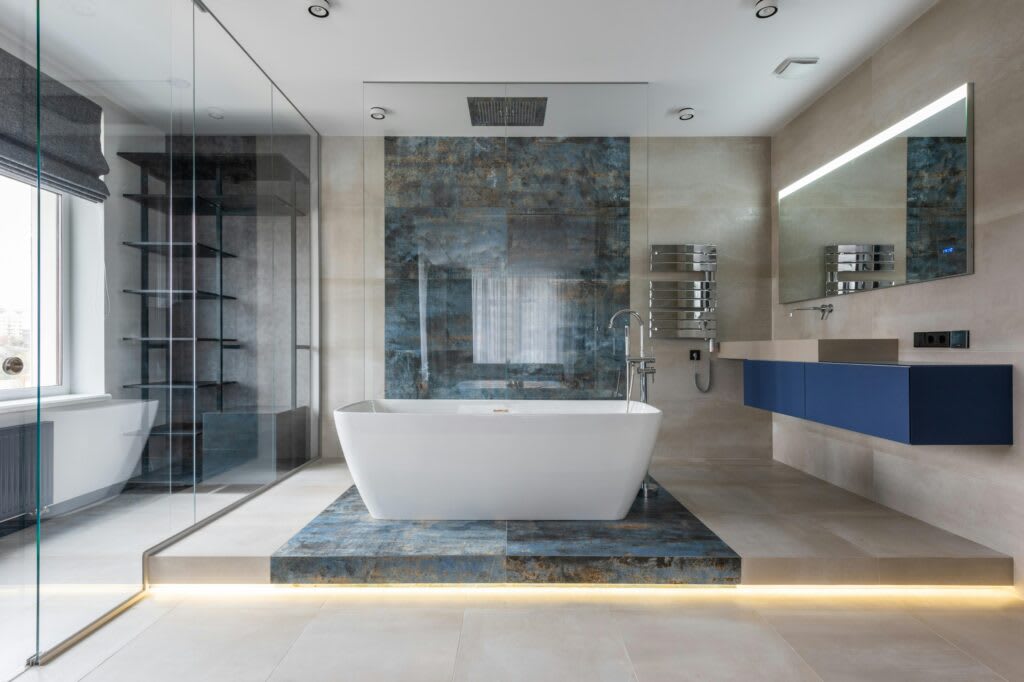
A freestanding bathtub is the epitome of elegance and luxury, often becoming the focal point of a bathroom. These tubs are standalone fixtures that don’t require attachment to walls, giving you flexibility in placement when you choose the right bathtub for your space.
Features: Available in a wide array of shapes—oval, rectangular, clawfoot, or slipper—freestanding tubs suit both modern and vintage aesthetics.
Pros:
- Design Versatility: From minimalist modern to ornate clawfoot designs, freestanding tubs can complement any bathroom style.
- Placement Flexibility: With no need for wall attachment, these tubs can be positioned in the center of the room, near a window, or even in unique layouts.
- Deep Soaking Depth: Many freestanding tubs are designed for indulgent, full-body immersion.
Cons:
- Space Requirements: Requires ample room for both the tub and comfortable circulation around it.
- Higher Installation Costs: May necessitate additional plumbing work, especially if positioned away from existing fixtures.
Perfect For: Homeowners looking to make a bold style statement or those seeking a spa-like experience at home.
Drop-In Bathtubs: Customization at Its Best
Best for: Tailored installations and unique layouts.
Drop-in bathtubs are installed into a platform or deck, offering a flush, built-in look that allows for complete customization. These tubs are a popular choice when you want to choose the right bathtub for a tailored design.
Features: The surrounding deck can be built to match your bathroom’s decor, and some designs include integrated seating, shelving, or storage.
Pros:
- Highly Customizable: The deck can serve as a focal point or blend seamlessly with your bathroom’s style.
- Added Functionality: Surrounding platforms can double as seating, shelving, or decorative ledges.
- Design Freedom: Works well in bathrooms with irregular layouts or specific style needs.
Cons:
- Space Requirements: The platform takes up more room than the tub itself, making it less suitable for smaller bathrooms.
- Higher Costs: Installation involves more materials and labor, increasing the overall expense.
Perfect For: Bathrooms designed with luxury and functionality in mind, or homeowners looking for a tailored solution.
Corner Bathtubs: Compact and Clever
Best for: Optimizing space in small or irregularly shaped bathrooms.
Corner bathtubs feature a triangular design that fits snugly into a bathroom corner, making them an excellent choice for unique layouts when trying to choose the right bathtub for compact spaces.
Features: Many corner tubs include built-in seating, making them great for soaking or even shared baths.
Pros:
- Efficient Use of Space: Perfect for bathrooms with awkward layouts or corners that might otherwise go unused.
- Spacious Interior: Despite their compact footprint, corner tubs often feel roomy due to their unique shape.
- Visually Distinctive: Adds a dynamic, modern look to your bathroom.
Cons:
- Water Volume: Requires more water to fill than standard tubs due to the larger interior.
- Limited Accessibility: The triangular shape may not be ideal for everyone, especially those with mobility concerns.
Perfect For: Small bathrooms where maximizing space is a priority or for adding a unique, modern touch.
Walk-In Bathtubs: Safe and Therapeutic
Best for: Accessibility and enhanced safety.
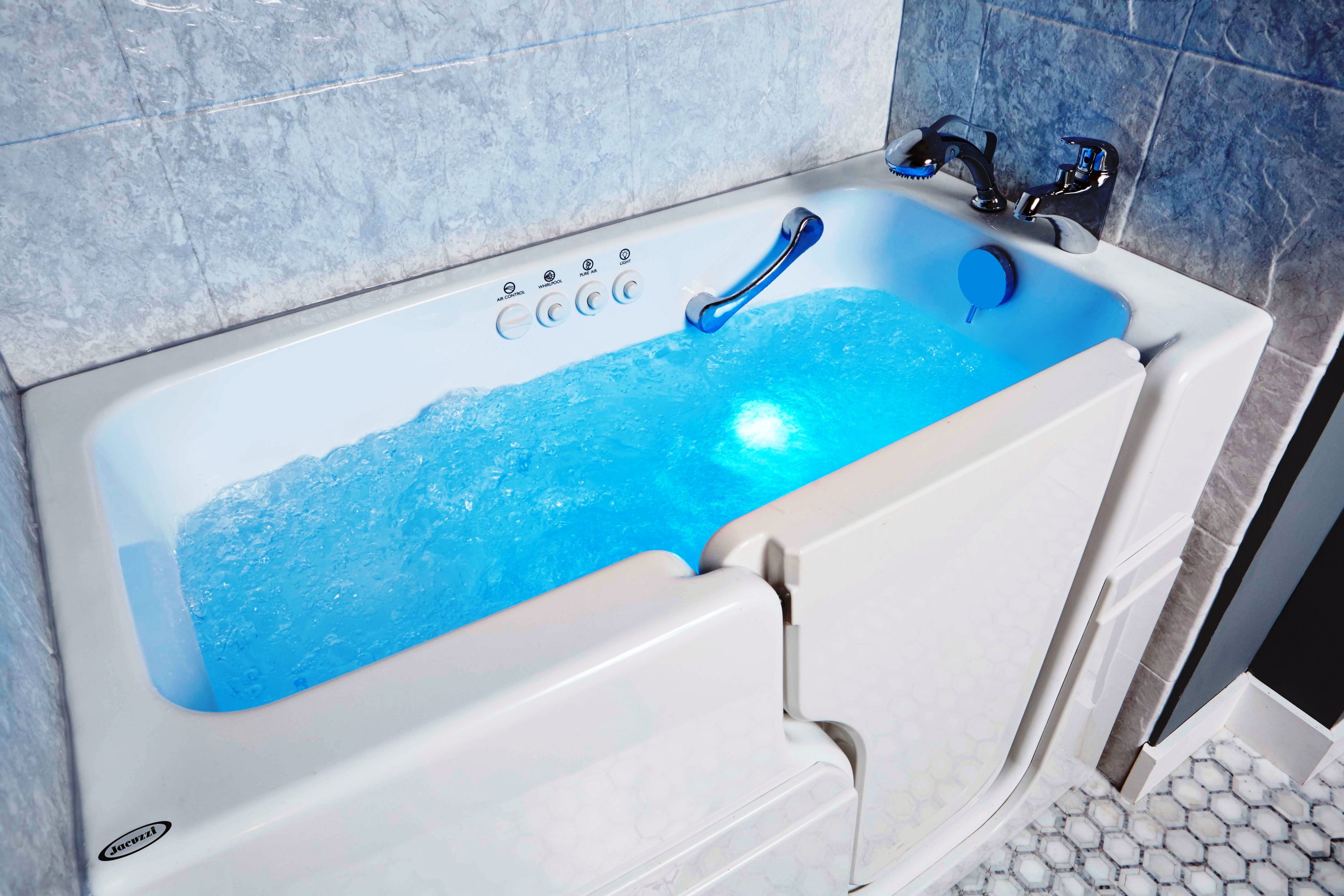
Walk-in bathtubs are specifically designed for those with mobility challenges or anyone who values ease of use. Featuring a door for entry and exit, these tubs prioritize safety and comfort when you choose the right bathtub for accessibility.
Features: Many walk-in tubs come equipped with grab bars, built-in seating, and therapeutic jets for a spa-like experience.
Pros:
- Accessibility: Ideal for seniors or individuals with limited mobility.
- Therapeutic Features: Hydrotherapy jets and ergonomic designs promote relaxation and pain relief.
- Safety: Low thresholds and non-slip surfaces minimize the risk of accidents.
Cons:
- Smaller Soaking Area: The interior tends to be more compact compared to other tub styles.
- Higher Cost: Advanced features and specialized design often come with a premium price tag.
Perfect For: Seniors, those with disabilities, or anyone seeking a safe and relaxing bathing experience.
Choosing the Right Style for You
Selecting the perfect bathtub style ultimately depends on your space, budget, and lifestyle. To choose the right bathtub, ask yourself these key questions:
- Are you prioritizing style or practicality? (Freestanding vs. alcove)
- How much space do you have to work with? (Corner vs. drop-in)
- Do you need accessibility features or added safety? (Walk-in tubs)
- Are you looking for a quick install or a fully customized option? (Alcove vs. drop-in)
By carefully considering these factors, you can select a bathtub style that not only fits your bathroom but also enhances your daily routine and reflects your personal taste. Whether you’re dreaming of a freestanding centerpiece or a functional alcove setup, there’s a perfect tub for every space and style.
Bathroom Safety Tips
“Choosing the Right Bathtub” Tips
2. Balancing Budget and Maintenance to Choose the Right Bathtub
When selecting the perfect bathtub, it’s essential to balance the cost of your investment with its long-term maintenance requirements. A budget-friendly option might seem appealing upfront, but it’s also important to consider ongoing upkeep to ensure your tub remains functional and visually appealing for years to come. Here’s how to plan your budget effectively and choose the right bathtub material that aligns with your lifestyle and maintenance preferences.
Set a Budget: Know Where to Allocate Your Funds
Bathtub costs can range from a few hundred dollars to several thousand, depending on the material, style, and features. Establishing a clear budget upfront helps you prioritize your spending and avoid unexpected expenses as you choose the right bathtub for your home.
Break Down Your Budget:
-
The Tub Itself: Prices vary widely based on material and style. For example:
- Acrylic tubs often cost between $500 and $1,200.
- Freestanding tubs or those made of stone resin can exceed $5,000.
- Installation and Plumbing Fees: Labor costs are a significant portion of your overall budget. If plumbing needs to be reconfigured, expect higher costs.
- Structural Work: Heavier materials like cast iron or stone tubs may require reinforced flooring, which adds to the expense.
Plan for Hidden Costs:
- Delivery Fees: Large or heavy tubs often incur higher shipping or delivery costs.
- Accessories: Features like faucets, drains, and tub fillers can add hundreds of dollars to your project.
- Permits: For major bathroom remodels, permits may be required, depending on your location.
Factor in Your Priorities:
- If relaxation is a top priority, it may be worth splurging on a soaking tub or hydrotherapy jets.
- If you’re working within a strict budget, consider space-efficient alcove tubs or fiberglass models that deliver functionality without breaking the bank.
Pro Tip: Build a contingency fund of 10–15% of your total budget to cover unexpected expenses, like plumbing surprises or additional labor.
Consider Maintenance: Think Beyond the Initial Cost
A bathtub isn’t a one-time investment—it’s a fixture you’ll interact with regularly, so understanding its maintenance requirements is key to long-term satisfaction. Choosing the right bathtub involves evaluating the trade-offs between maintenance needs and durability.
Low-Maintenance Options:
-
Acrylic:
- Why Choose It: Acrylic tubs are lightweight, non-porous, and resistant to mold and mildew, making them easy to clean.
- Maintenance Needs: A quick wipe-down with mild soap and water usually suffices. Occasionally, refinishing may be needed to address surface scratches.
- Best For: Busy households or those looking for minimal upkeep.
-
Fiberglass:
- Why Choose It: Fiberglass is affordable and easy to install, often used in budget-friendly remodels.
- Maintenance Needs: While simple to clean, it’s less durable than other materials and prone to cracks or fading over time.
- Best For: Guest bathrooms or spaces with lighter use.
High-Maintenance Options:
-
Cast Iron:
- Why Choose It: With its timeless appeal and unmatched durability, cast iron is a long-term investment.
- Maintenance Needs: Regular cleaning with non-abrasive products is essential to prevent damage to the enamel coating. Occasional refinishing may be required to maintain its pristine look.
- Best For: Homeowners willing to invest time and effort for a luxurious, durable fixture.
-
Stone Resin:
- Why Choose It: Stone tubs exude luxury and retain heat exceptionally well, making them ideal for spa-like experiences.
- Maintenance Needs: Requires specific cleaning agents to avoid damaging the finish. Preventing stains and scratches demands consistent care.
- Best For: Those who prioritize aesthetics and are prepared for specialized upkeep.
Moderate-Maintenance Options:
-
Porcelain-Enamel Steel:
- Why Choose It: Affordable and durable, this material is easy to clean but less forgiving when it comes to chips.
- Maintenance Needs: Use gentle cleaning solutions to avoid damaging the enamel. Once chipped, repairs can be costly.
- Best For: Budget-conscious buyers who want a classic look.
Weighing Cost vs. Longevity
When balancing budget and maintenance, consider the long-term value of your investment. While high-end materials like cast iron or stone resin come with higher initial costs and maintenance needs, they often outlast more affordable options like fiberglass. If longevity and timeless design are important to you, spending more upfront may save you from frequent replacements or repairs.
Customizing Maintenance to Fit Your Lifestyle
- For Busy Households: Choose materials that are easy to clean and durable enough to withstand daily use, like acrylic or fiberglass.
- For Relaxation Enthusiasts: Consider splurging on stone resin or cast iron for their luxurious feel and heat retention, keeping in mind the extra care required.
- For Low-Traffic Bathrooms: In guest or secondary bathrooms, less durable materials like fiberglass may be sufficient, as they’ll experience less wear and tear.
Your budget and maintenance preferences are as unique as your design style. By thoughtfully balancing upfront costs with the ongoing care required, you can choose the right bathtub that fits seamlessly into your routine and stands the test of time. Whether you prioritize affordability, ease of maintenance, or a luxurious finish, understanding the trade-offs will help you make a confident and informed decision.
Pro Tip: Before committing, consult with a professional to ensure your chosen tub fits your bathroom’s infrastructure and meets your expectations for long-term performance. With the right balance of budget and upkeep, your new bathtub can become a centerpiece of relaxation and utility in your home.
3. Choosing the Right Bathtub Material

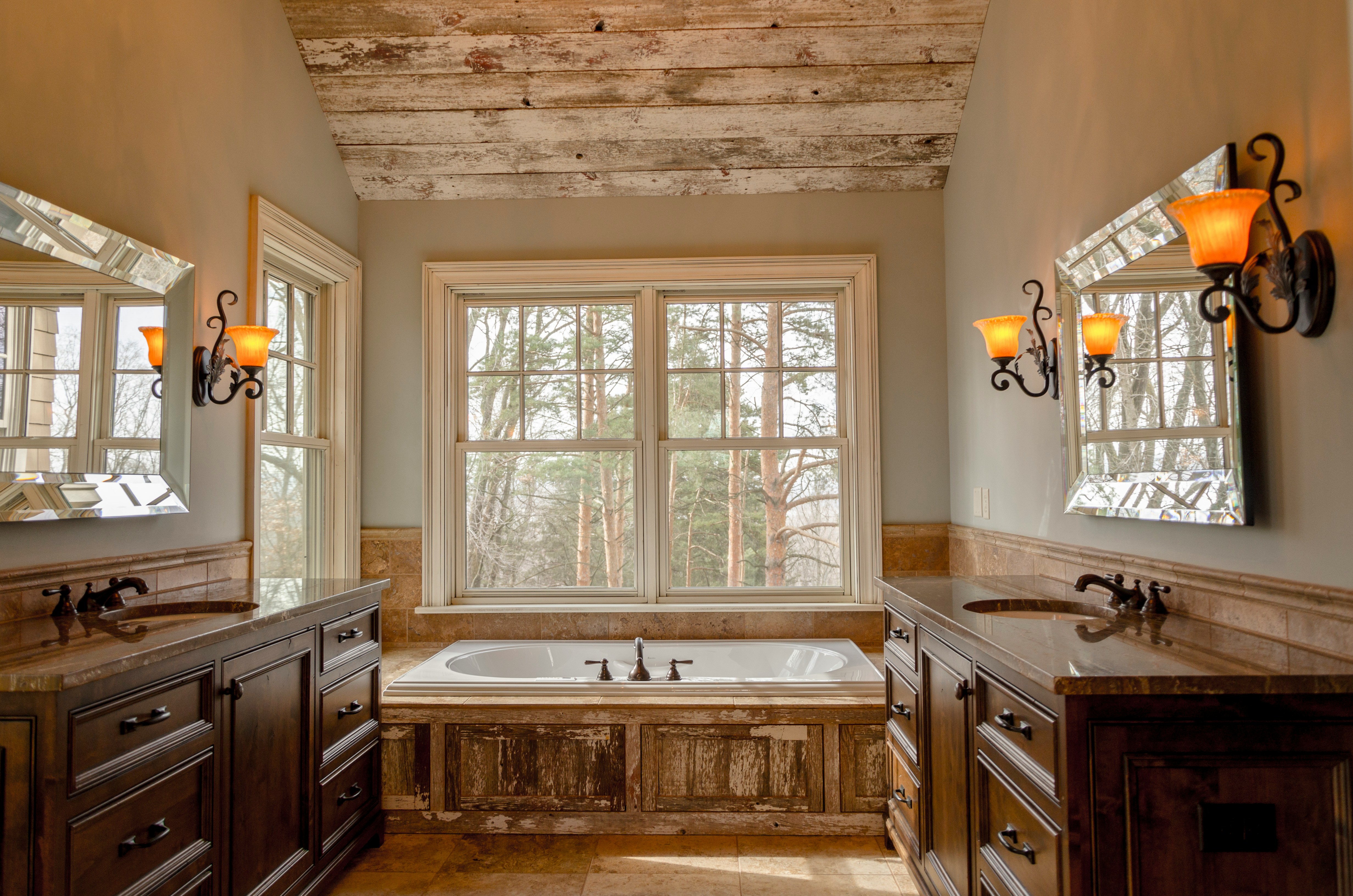
Modern bathroom featuring a porcelain-enamel alcove bathtub framed by rustic wood, with double vanities, vintage wall sconces, and a large window offering natural light—showcasing balance between style, functionality, and durability.
Selecting the right material for your bathtub is crucial—it directly influences not only how your tub looks but also how it performs over time. Each material has its own set of advantages and drawbacks, so understanding their characteristics will help you choose the right bathtub to strike the perfect balance between durability, maintenance, heat retention, and overall aesthetic appeal. Let’s dive deeper into the most popular bathtub materials to help you make an informed decision.
Acrylic: Lightweight and Versatile
Acrylic is one of the most popular materials for modern bathtubs due to its affordability, versatility, and ease of installation.
Pros:
- Lightweight and Easy to Install: Acrylic tubs are relatively light, making them easier to transport and install compared to heavier materials like cast iron or stone resin.
- Wide Variety of Shapes and Sizes: Acrylic can be molded into virtually any design, from sleek freestanding tubs to compact alcove models.
- Good Heat Retention: This material maintains water temperature well, enhancing the bathing experience.
- Affordable: Acrylic is budget-friendly, offering an excellent option for cost-conscious homeowners without compromising style.
Cons:
- Prone to Scratching: While durable overall, acrylic surfaces can scratch relatively easily, especially when cleaned with abrasive products.
- Discoloration Over Time: Prolonged exposure to certain chemicals or sunlight may cause fading or yellowing.
Best For: Homeowners seeking an affordable, lightweight option with plenty of design flexibility, especially for bathrooms where ease of installation is a priority.
Cast Iron: Timeless and Resilient
Cast iron bathtubs have long been a symbol of luxury and durability, offering a timeless appeal that’s hard to match.
Pros:
- Extremely Durable: Cast iron tubs are made by pouring molten iron into a mold and coating it with a thick layer of enamel, creating a highly resistant surface.
- Excellent Heat Retention: Once heated, cast iron holds warmth exceptionally well, making it ideal for long, relaxing baths.
- Scratch and Chip Resistant: The enamel finish withstands everyday wear and tear, keeping the tub looking new for decades.
Cons:
- Very Heavy: Cast iron is one of the heaviest materials available, often requiring reinforced flooring to support its weight.
- Higher Cost: Premium durability and classic appeal come with a higher price tag, both for the tub itself and installation.
Best For: Those seeking a classic, luxurious centerpiece for their bathroom and are willing to invest in a durable, long-lasting option.
Fiberglass: Budget-Friendly and Practical
Fiberglass is an excellent choice for those seeking a simple, no-frills solution. Made from reinforced plastic and coated with a protective gel, fiberglass tubs are lightweight and economical.
Pros:
- Lightweight: Similar to acrylic, fiberglass is easy to maneuver and install, making it a practical choice for DIY projects or quick renovations.
- Budget-Friendly: One of the most affordable materials, perfect for tight budgets or secondary bathrooms.
- Easy to Install: Its lightweight nature simplifies the installation process, reducing labor costs.
Cons:
- Lower Durability: Fiberglass is more prone to cracking, chipping, and fading over time compared to other materials.
- Less Heat Retention: Water in fiberglass tubs tends to cool more quickly, which may not suit those who enjoy extended soaks.
Best For: Cost-conscious homeowners or those renovating a guest or children’s bathroom where high durability isn’t a top priority.
Porcelain-Enamel Steel: Classic and Affordable
Porcelain-enamel steel bathtubs are constructed from a thin layer of steel coated with a layer of porcelain enamel. They offer a blend of traditional aesthetics and affordability.
Pros:
- Affordable: Porcelain-enamel steel tubs are a budget-friendly alternative to cast iron, offering a similar appearance.
- Easy to Clean: The smooth, non-porous surface resists stains, chemicals, and odors, simplifying maintenance.
- Scratch-Resistant Finish: The enamel coating provides a durable surface that stands up well to regular cleaning.
Cons:
- Heavy: While not as heavy as cast iron, these tubs still require careful installation.
- Less Heat Retention: Water tends to cool faster compared to acrylic or cast iron.
- Susceptible to Chipping: The porcelain coating can chip if struck by a heavy object, potentially leading to rust over time.
Best For: Those seeking a classic, polished look at an affordable price, particularly for homes with traditional or vintage-inspired bathrooms.
Stone Resin: Luxurious and Durable
Stone resin, a composite material made from crushed stone and resin, combines luxury, durability, and a modern aesthetic.
Pros:
- Luxurious Appearance: Stone resin tubs mimic the beauty of natural stone, offering a high-end, spa-like feel.
- Excellent Heat Retention: The dense material keeps water warm for longer, enhancing the bathing experience.
- Highly Durable: Resistant to scratches, stains, and discoloration, stone resin tubs are built to last.
- Smooth, Seamless Finish: Their elegant, matte surfaces exude sophistication and complement contemporary bathroom designs.
Cons:
- Expensive: Stone resin tubs are among the most costly options, both for the material and installation.
- Very Heavy: Their weight necessitates professional installation and, in some cases, reinforced flooring.
Best For: Homeowners who want to invest in a striking, luxurious centerpiece for their bathroom and are willing to accommodate the higher cost and weight.
Which Material is Right for You?
When deciding on the material, keep these considerations in mind to help you choose the right bathtub:
- Budget: Fiberglass and acrylic are excellent for those on a budget, while cast iron and stone resin cater to premium tastes.
- Maintenance: If you prefer a low-maintenance option, acrylic and porcelain-enamel steel are easier to clean. Cast iron and stone resin require more care but offer timeless elegance.
- Heat Retention: For long soaks, prioritize materials like cast iron or stone resin, which retain heat better than fiberglass or porcelain-enamel steel.
- Durability: If longevity is a priority, cast iron and stone resin are worth the investment, while fiberglass works well for short-term solutions or less frequently used spaces.
- Weight and Installation: Consider the structural capacity of your bathroom floor. Lightweight materials like acrylic and fiberglass are easier to install, while heavier options like cast iron and stone resin require professional assistance.
By understanding the strengths and weaknesses of each material, you can confidently choose the right bathtub that complements your lifestyle, aesthetic, and long-term needs. The right bathtub material not only enhances your bathroom’s functionality but also elevates its style, ensuring your investment pays off for years to come.
Bathtub Materials Explained

4. When Choose the Right Bathtub: Consider Features and Functionality
Modern bathtubs are more than just functional fixtures—they’re gateways to relaxation, rejuvenation, and even a touch of luxury. When exploring how to choose the right bathtub, focusing on the features and functionality can elevate your bathing experience from ordinary to extraordinary. Let’s dive into these options to help you create a tub that suits your lifestyle and preferences perfectly.
Soaking Depth: The Key to Relaxation The depth of your bathtub is a crucial factor when deciding how to choose the right bathtub. It directly impacts the quality of your bathing experience and aligns with your relaxation goals.
- Deeper Soaks: Freestanding models or Japanese soaking tubs offer full-body immersion, promoting relaxation and stress relief. They’re ideal for those seeking spa-like experiences at home.
- Compact Options: If space is limited, compact soaking tubs deliver a luxurious soak without requiring a large footprint.
- Who Benefits: A deeper soaking tub is perfect for individuals aiming to relieve stress or enhance mindfulness practices.
Pro Tip: Carefully measure your bathroom space to ensure the tub’s depth complements your layout while maintaining safe entry and exit.
Hydrotherapy Jets: Pampering with a Purpose
Hydrotherapy jets can transform a standard bathtub into a therapeutic retreat, making them a key consideration when you choose the right bathtub.
- Air Jets: Create a gentle bubbling effect, ideal for a calming, spa-like experience.
- Water Jets: Provide targeted massage for muscle recovery and relief from tension or soreness, making them popular among athletes and those with chronic pain.
Why Choose Jets?
- Enhanced Comfort: Jets improve circulation, ease muscle pain, and elevate relaxation.
- Customizable Settings: Adjustable intensity and direction allow you to tailor the experience to your needs.
Considerations: Jet systems may require additional cleaning to prevent buildup. Opt for models with self-cleaning features for easier maintenance.
Heating Elements: Keep It Cozy
For those who enjoy long baths, heating elements are an invaluable feature when deciding to choose the right bathtub.
-
Why It Matters:
- Keeps water warm for extended periods without needing refills.
- Saves water and energy by reducing the need to add hot water mid-bath.
- Who Benefits: Ideal for colder climates, therapeutic baths, or anyone who enjoys uninterrupted relaxation.
Pro Tip: Opt for energy-efficient heating systems to maintain comfort without incurring high utility costs.
Smart Features: Bathe in the Future
If innovation and convenience are your priorities, smart features can significantly influence how you choose the right bathtub.
- Touch Controls: Adjust water temperature, jet intensity, or set timers with ease.
- Mood Lighting: Customizable LED lighting transforms your bath into a multisensory experience.
- Bluetooth Speakers: Enjoy entertainment or guided meditations during your soak.
- Pre-Fill Systems: Automatically fill your tub to your preferred depth and temperature for effortless preparation.
Considerations: While these features enhance your bathing experience, they often come with a higher price tag. Balance their value against your budget and frequency of use.
Non-Slip Surfaces: Safety First
Safety should always be a priority when you choose the right bathtub, especially for families with children or elderly individuals.
-
Features to Look For:
- Textured finishes to provide grip and reduce slip risks.
- Anti-slip coatings that blend functionality with aesthetics.
- Grab bars or built-in handrails for added support and safety.
Who Benefits: Families, older adults, or anyone prioritizing safety without compromising style.
Pro Tip: Non-slip surfaces are especially important for walk-in tubs, where ease of entry and exit is essential.
Customizing Your Bathtub Experience
The right features can turn your bathtub into a personal retreat that caters to your unique preferences. When deciding how to choose the right bathtub for your space, keep these points in mind:
- Consider Your Priorities: Do you prefer a luxurious spa experience, or are you more focused on safety and functionality?
- Balance Features and Budget: While it’s tempting to include every available feature, focus on those that genuinely enhance your experience and align with your financial goals.
- Think Long-Term: Features like heating elements, hydrotherapy jets, and non-slip surfaces add comfort and practicality, ensuring your bathtub meets your needs for years to come.
By selecting the right combination of features, you’ll ensure your bathtub is more than just a fixture—it will be the centerpiece of relaxation, rejuvenation, and daily comfort in your home.
5. When Choosing the Right Bathtub: Match Your Budget and Maintenance Preferences

When learning how to choose the right bathtub, balancing your budget with long-term maintenance needs is crucial. While a budget-friendly option may seem appealing upfront, it’s equally important to evaluate ongoing care to ensure your tub remains functional and visually appealing for years to come. Here’s how to effectively plan your budget and select a bathtub material that aligns with your lifestyle.
Set a Budget: Know Where to Allocate Your Funds
Bathtub prices can range significantly, depending on the material, style, and features. Establishing a clear budget ensures you can prioritize spending while avoiding unexpected expenses.
Break Down Your Budget:
-
The Tub Itself: Prices vary widely:
- Acrylic tubs: $500–$1,200.
- Freestanding or stone resin tubs: $5,000+.
- Installation and Plumbing Fees: Labor costs can form a large portion of your budget, especially if plumbing needs reconfiguration.
- Structural Work: Heavy materials like cast iron or stone tubs may require reinforced flooring, adding to the expense.
Plan for Hidden Costs:
- Delivery Fees: Larger or heavier tubs often incur higher shipping fees.
- Accessories: Faucets, drains, and tub fillers can add hundreds of dollars to the project.
- Permits: Major remodels may require permits, depending on local regulations.
Factor in Priorities:
- For relaxation: Splurge on a soaking tub or hydrotherapy jets.
- For tighter budgets: Opt for alcove tubs or fiberglass models that offer functionality without breaking the bank.
Pro Tip: Reserve 10–15% of your total budget for unexpected expenses, like additional labor or plumbing surprises.
Consider Maintenance: Think Beyond the Initial Cost
When deciding how to choose the right bathtub, don’t overlook maintenance requirements. Regular upkeep ensures your investment lasts and continues to look great over time.
Low-Maintenance Options:
-
Acrylic:
- Why Choose It: Lightweight, non-porous, and mold-resistant, acrylic tubs are easy to clean.
- Maintenance Needs: A simple wipe-down with mild soap suffices, though occasional refinishing may be required.
- Best For: Busy households or those seeking minimal upkeep.
-
Fiberglass:
- Why Choose It: Affordable and easy to install, fiberglass is a go-to for budget-friendly remodels.
- Maintenance Needs: While easy to clean, it’s prone to cracking and fading over time.
- Best For: Guest bathrooms or spaces with lighter use.
High-Maintenance Options:
-
Cast Iron:
- Why Choose It: Timeless durability and excellent heat retention.
- Maintenance Needs: Regular cleaning with non-abrasive products is essential to protect the enamel coating. Occasional refinishing may be necessary.
- Best For: Those willing to invest time and effort for a luxurious, durable fixture.
-
Stone Resin:
- Why Choose It: Luxurious appearance and exceptional heat retention.
- Maintenance Needs: Requires specialized cleaning agents to avoid damaging the finish. Consistent care prevents scratches and stains.
- Best For: Homeowners prioritizing aesthetics and spa-like indulgence.
Moderate-Maintenance Options:
-
Porcelain-Enamel Steel:
- Why Choose It: Durable and easy to clean, this material is a cost-effective alternative to cast iron.
- Maintenance Needs: Gentle cleaning avoids damaging the enamel, though chipped areas can lead to rust.
- Best For: Budget-conscious buyers looking for a classic design.
Weighing Cost vs. Longevity
As you explore how to choose the right bathtub, remember that higher initial costs often translate to long-term value. Premium materials like cast iron or stone resin offer durability and timeless appeal, making them worthwhile investments. On the other hand, materials like fiberglass are cost-effective but may require more frequent replacements.
Customizing Maintenance to Fit Your Lifestyle
- For Busy Households: Acrylic or fiberglass tubs are easy to clean and durable, perfect for everyday use.
- For Relaxation Enthusiasts: Stone resin or cast iron tubs provide luxurious warmth and aesthetics, though they demand more maintenance.
- For Low-Traffic Bathrooms: Fiberglass tubs are sufficient for guest or secondary bathrooms, where wear and tear are minimal.
By thoughtfully balancing upfront costs with ongoing care, you can confidently choose the right bathtub that fits your budget and lifestyle. Whether you prioritize affordability, ease of maintenance, or a high-end finish, understanding the trade-offs ensures your investment delivers lasting satisfaction.
Pro Tip: Consult a professional to verify that your chosen tub aligns with your bathroom’s infrastructure and long-term needs. The right combination of budget and maintenance considerations will make your bathtub a centerpiece of both relaxation and functionality in your home.
6. When Choosing the Right Bathtub: Plan for Long-Term Use
When deciding how to choose the right bathtub, it’s essential to think beyond immediate needs and trends. A well-selected bathtub should remain functional, stylish, and valuable over time, accommodating changes in your lifestyle, family dynamics, and even the real estate market. By planning for the long term, you can ensure that your investment brings both practical and financial rewards.
Accessibility: Preparing for Future Needs
As your lifestyle evolves, so will your requirements. While sleek, modern bathtubs might be appealing today, it’s wise to think about how accessible your choice will be in the years to come.
Walk-In Tubs:
These tubs are perfect if you’re planning to age in place. With a watertight door for easy entry, built-in seating, and grab bars, walk-in tubs provide convenience, safety, and therapeutic features like hydrotherapy jets.
Future-Proofing Tip: Even if a walk-in tub isn’t an immediate need, choosing a design that can accommodate retrofitting later will save time and money.Grab Bars and Non-Slip Surfaces:
If you’re not ready for a walk-in tub, ensure your bathtub allows for the installation of grab bars or non-slip coatings. These additions enhance safety while maintaining a sleek design.
Pro Tip: Wide, flat edges on tubs are ideal for mounting grab bars discreetly.Low-Threshold and Curbless Designs:
While freestanding and Japanese soaking tubs offer elegance, they may be difficult to access for those with limited mobility. Consider low-threshold models or those with integrated steps for easier entry.
Family Needs: A Tub That Grows With You
If you have children or are planning for a growing family, it’s essential to choose the right bathtub that accommodates everyone comfortably and safely. A versatile design ensures your bathroom remains a functional and welcoming space for years.
-
Child-Friendly Features:
- Soaking Depth: Shallow tubs are safer for young children, while deeper models may feel overwhelming or unsafe for toddlers.
- Rounded Edges: Smooth, rounded edges minimize the risk of bumps and scrapes.
- Built-In Seating: Handy for parents during bath time and for supervising playful moments.
-
Multi-User Flexibility:
- Dual Purpose: Alcove tubs with shower combinations are ideal for households with diverse needs, offering the flexibility of a quick shower or a relaxing bath.
- Space Considerations: Larger families may benefit from corner tubs or wider freestanding models, accommodating multiple users more efficiently.
Durability for Busy Households:
Select materials like acrylic or cast iron that can withstand heavy daily use, frequent cleaning, and wear from bath toys or cleaning products.
Resale Value: Investing in Timeless Appeal
When you choose the right bathtub, you’re not just selecting a fixture—you’re enhancing a feature that can significantly influence your home’s resale value. Thoughtful choices today can make your bathroom more appealing to future buyers.
Timeless Designs:
Opt for classic shapes and neutral colors that never go out of style. Alcove or freestanding tubs in white or soft gray finishes are universally appealing, ensuring your bathroom remains marketable.
Pro Tip: Avoid overly niche or customized designs that may not align with a buyer’s preferences.High-Quality Materials:
Materials like cast iron, stone resin, and porcelain enamel suggest luxury and durability, key selling points for potential buyers. These materials enhance your bathroom’s visual appeal and imply lasting quality.Energy Efficiency:
Bathtubs designed for minimal water use or equipped with water-saving faucets are attractive to eco-conscious buyers. Highlighting these features adds value to your home.Space Optimization:
For smaller bathrooms, corner tubs or alcove models can maximize square footage while maintaining style, making efficient layouts an appealing feature for buyers.
Creating a Bathroom That Evolves With You
Future-proofing your bathtub choice means finding a balance between current trends and timeless functionality. Consider these questions:
- Will this bathtub suit my needs five, ten, or twenty years from now?
- Does it provide the flexibility to adapt to changing circumstances, such as family dynamics or mobility requirements?
- Does it enhance my home’s long-term value and appeal?
By addressing these considerations, you can confidently choose the right bathtub that aligns with your needs today while anticipating future possibilities. Whether it’s the safety of a walk-in model, the versatility of an alcove tub, or the elegance of a freestanding design, your choice can elevate your bathroom’s functionality, aesthetics, and value for decades to come.
Locations We Serve
At Texas Remodelers, we’re proud to bring our expertise in bathtub and bathroom remodeling to homeowners across Amarillo, Austin, Dallas, and Houston, as well as their surrounding areas.
Whether you’re designing a luxurious master bath in Austin, optimizing a compact bathroom in Dallas, or upgrading your home in Amarillo or Houston, we offer tailored solutions to suit your needs.
Our services include:
- Full bathroom remodels
- Bathtub installations and conversions
- Shower upgrades
- Accessibility-focused designs
With a deep understanding of local preferences and home styles, we’re committed to delivering bathrooms that blend functionality, comfort, and beauty. Explore our offerings and schedule a consultation to bring your dream bathroom to life.
Visit the Service Locations page for more details, or learn about specific areas:
Let us help you create a space that perfectly complements your home and lifestyle.
Final Thoughts on Choosing the Right Bathtub
To choose the right bathtub is more than just a practical decision—it’s an opportunity to redefine your bathroom as a sanctuary of relaxation, luxury, and functionality. A thoughtfully selected bathtub can do more than serve as a place to bathe; it can elevate your daily routine, reflect your personal style, and even increase the value of your home. Striking the perfect balance between aesthetics, practicality, and functionality ensures that your choice meets both your immediate needs and long-term goals.
Designing Your Personal Oasis
Your bathtub is the centerpiece of your bathroom—a feature that sets the tone for the entire space. Whether it’s the clean lines of a freestanding tub, the efficient design of an alcove model, or the spa-like luxury of a deep soaking tub, choosing the right bathtub can transform your bathroom into a personal retreat. Picture yourself unwinding in a tub that perfectly suits your style and enhances your comfort—where every element, from the depth of the soak to the quality of the materials, contributes to a sense of peace and relaxation.
Tailoring the Tub to Your Lifestyle
To truly choose the right bathtub, it’s important to consider how it fits into your daily life. Do you need a family-friendly option for busy bath times with children? Or is a deep soaking tub your idea of the perfect self-care indulgence? Perhaps accessibility features like grab bars or a walk-in design are priorities to ensure safety and ease of use for years to come. Whatever your unique requirements, there’s a bathtub that combines form and function to enhance your everyday life.
Balancing Budget and Quality
It’s easy to get captivated by premium features and luxurious designs, but practicality should guide your decision. A well-chosen bathtub doesn’t have to break the bank; it just needs to meet your priorities. By weighing factors like material durability, maintenance, and cost, you can make an informed decision that maximizes value without compromising on quality. Remember, when you choose the right bathtub, you’re not just making a purchase—you’re making an investment in your home and your well-being.
Exploring Endless Possibilities
Modern bathtub design offers a wide variety of options to suit any taste or need. Whether you’re drawn to timeless materials like cast iron and porcelain or intrigued by innovations such as stone resin and smart features, the possibilities are nearly limitless. Explore showrooms, browse design catalogs, or consult with professionals to envision how different bathtub styles can transform your space.
Making the Decision
The journey to choose the right bathtub can feel overwhelming, but it’s also an exciting opportunity to personalize your bathroom. By focusing on what truly matters—your space, lifestyle, and long-term goals—you can simplify the decision-making process and find a bathtub that checks all the boxes. Take your time to assess your needs, explore styles, and imagine how your choice will enhance your daily life.
The Beginning of Something Beautiful
When you choose the right bathtub, it’s about more than just upgrading a fixture—it’s about creating a space where you can unwind, recharge, and connect with tranquility amidst life’s hustle. Your bathroom should reflect your personality, meet your practical needs, and serve as a timeless retreat.
Are you ready to take the plunge? Dive into our catalog for inspiration, consult with experts, and start envisioning the bathroom of your dreams. Together, let’s design a space that blends luxury, comfort, and functionality—because you deserve nothing less than a home that feels like a haven.
Find Inspiration for Your Perfect Bathtub
Whether you’re envisioning a full bathroom renovation or simply upgrading your bathtub, modern bathtub trends offer countless opportunities to create a space that’s as stylish as it is functional. Imagine incorporating features like freestanding designs, therapeutic jets, or eco-friendly materials to enhance your bathing experience. These trends invite you to reimagine your bathtub as more than a fixture—it’s a centerpiece of relaxation and personal indulgence.
Start Exploring Modern Bathtub Trends Today
Discover more ideas and expert insights through these helpful guides:
- 5 Powerful Bathroom Remodeling Tips for a Functional and Stylish Space
- Top 5 Amazing Bathroom Conversions to Maximize Space and Style
What features would transform your bathroom into a personal oasis? Share your ideas in the comments, and let’s start planning your dream bathtub experience today!
Ready to Elevate Your Bathroom Experience?
Transform your space with the latest in bathtub design and innovation. Whether you’re envisioning a spa-like sanctuary, a sleek modern upgrade, or a timeless classic, our expert team is here to bring your vision to life. From luxurious freestanding tubs to smart bathtubs and compact soaking solutions, we tailor every remodel to fit your style, needs, and budget.
✨ Let’s Create the Bathroom You Deserve.
Contact us today to schedule your consultation. Our design experts will guide you through every step – from concept to completion – ensuring your new bathroom reflects elegance, comfort, and functionality.
📞 Call Now or Book Online to start your journey toward the bathroom of your dreams!